Discover Balanced Nutrition and Healthy Eating Habits

Professional nutrition consultation platform helping you build conscious eating patterns, understand food choices, and develop a sustainable approach to daily wellness.

Send a Consultation Request
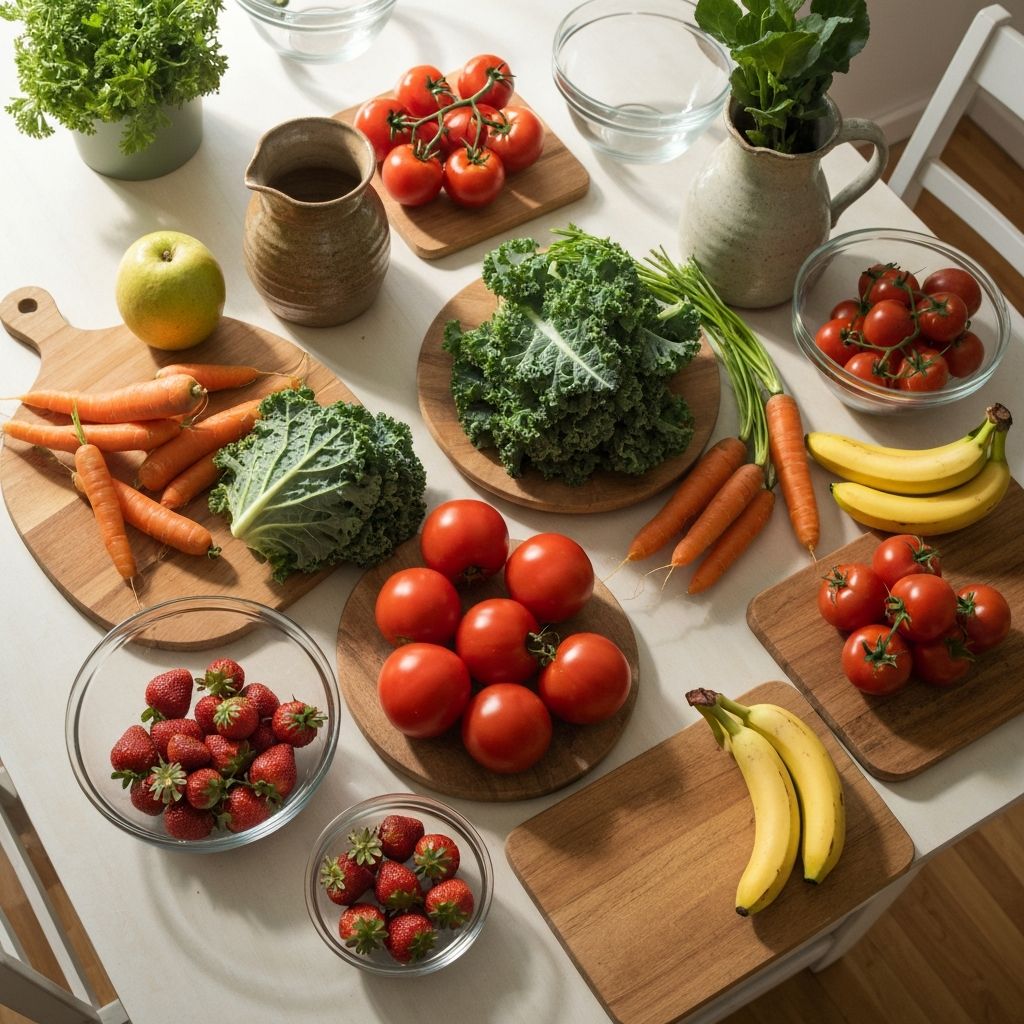

Fresh healthy food ingredients

Understanding Conscious Nutrition

What is Conscious Eating?

Conscious eating means paying attention to your food choices, recognizing true hunger signals, and understanding what your body needs. It involves being present during meals, appreciating flavors, and making informed decisions about nutrition.

Recognizing Hunger Signals

Learning to distinguish between physical hunger and emotional eating is fundamental. True hunger develops gradually, while emotional cravings appear suddenly. Understanding these signals helps you respond appropriately to your body's needs.

Building Healthy Eating Habits

Regular Meal Patterns

Establishing consistent meal times helps regulate appetite and energy levels throughout the day. Regular eating patterns support better digestion and reduce the likelihood of overeating.

  • Plan meals at similar times each day
  • Include breakfast to start your metabolism
  • Space meals 3-4 hours apart
  • Avoid skipping meals to prevent excessive hunger
Balanced meal preparation

Understanding Food Triggers

Identifying situations that lead to impulsive eating helps you prepare alternative responses. Common triggers include stress, boredom, social situations, or specific times of day.

Creating Your Environment

Your surroundings influence eating choices. Keeping nutritious options visible and accessible while storing less healthy choices out of sight can support better decisions.

Mindful Eating Practice

Taking time to eat slowly, chewing thoroughly, and eliminating distractions during meals enhances satisfaction and helps recognize fullness signals more effectively.

The Balanced Plate Approach

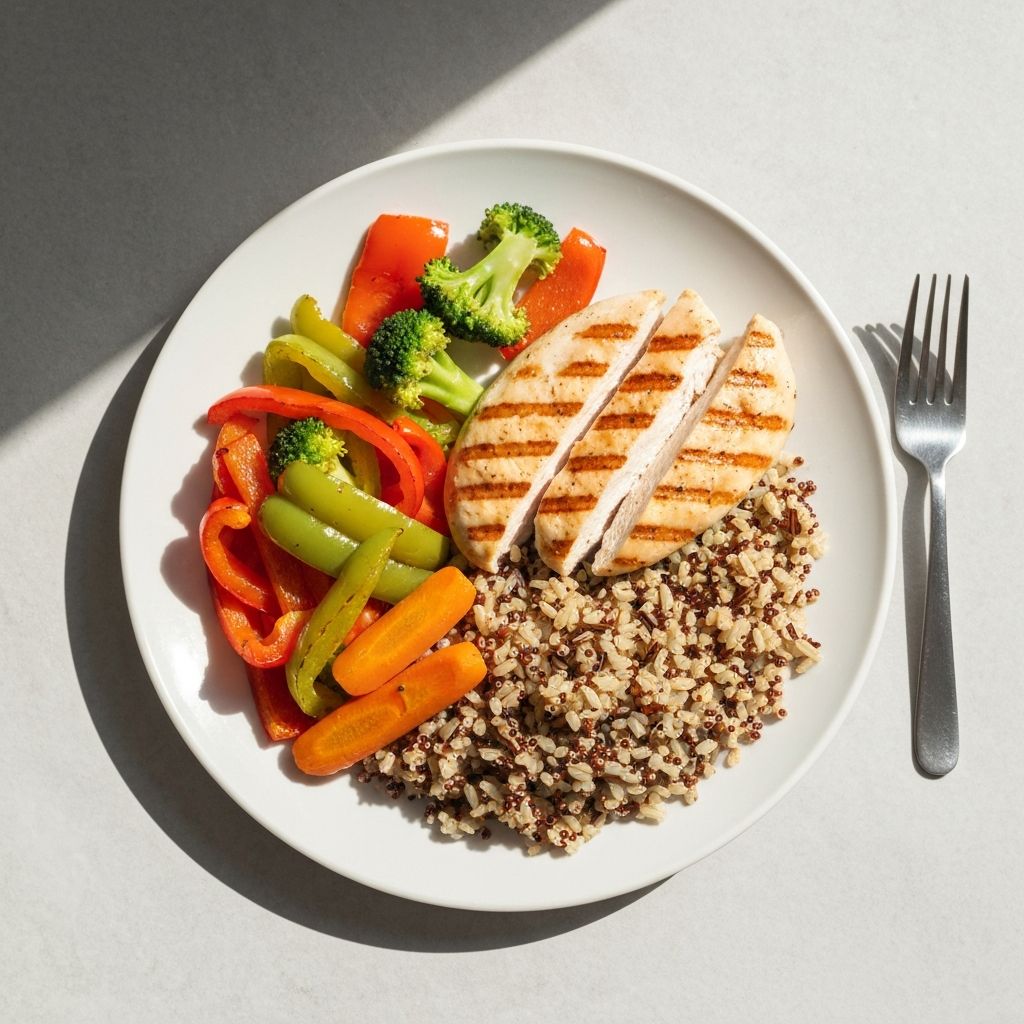
Balanced meal plate

A balanced plate includes diverse food groups that work together to provide sustained energy and essential nutrients throughout your day.

Vegetables & Greens

Fill half your plate with colorful vegetables providing fiber, vitamins, and minerals essential for daily function.

Quality Proteins

Include lean proteins like fish, poultry, legumes, or eggs to support muscle maintenance and satiety.

Complex Carbohydrates

Choose whole grains, potatoes, or legumes for steady energy release throughout the day.

Healthy Fats

Add moderate amounts of nuts, seeds, olive oil, or avocado for nutrient absorption and satisfaction.

Portion Awareness and Serving Sizes

Understanding appropriate portion sizes helps maintain energy balance without feeling restricted. Your portions may vary based on activity level and individual needs.

Practical Portion Guidelines

  • Proteins: Palm-sized portion of fish, poultry, or meat; or one cup of cooked legumes
  • Vegetables: Fill half your plate, aiming for at least two fist-sized portions
  • Grains: One cupped handful of cooked rice, pasta, or bread equivalent
  • Fats: Thumb-sized portion of nuts or one tablespoon of oil
  • Fruits: One medium piece or one cupped handful of berries

Hydration and Water Balance

Adequate hydration supports digestion, nutrient transport, and helps distinguish between hunger and thirst. Water needs vary based on activity, climate, and individual factors.

Daily Hydration Tips

  • Start your day with a glass of water
  • Drink water regularly throughout the day, not just when thirsty
  • Keep water accessible at your desk or workspace
  • Include herbal teas or infused water for variety
  • Monitor urine color as a hydration indicator
Water and healthy hydration

Smart Snacking Strategies

When to Snack

Snacks can bridge energy gaps between meals, especially if 4-5 hours pass between main meals. Choose snacks when genuinely hungry, not out of habit or boredom.

Nutritious Snack Ideas

Combine protein with fiber for sustained satisfaction. Examples include apple slices with nut butter, vegetables with hummus, Greek yogurt with berries, or a handful of nuts with dried fruit.

Daily physical activity

Daily Movement and Activity

Regular physical activity complements balanced nutrition by supporting energy use, mood regulation, and overall wellbeing. Movement doesn't require intense workouts to be beneficial.

Incorporating Daily Activity

  • Take regular walking breaks throughout the day
  • Use stairs instead of elevators when possible
  • Set reminders to stand and stretch every hour
  • Find activities you enjoy to maintain consistency
  • Gradually increase activity duration and intensity
  • Combine movement with social activities or hobbies

Breathing Techniques for Eating Awareness

Simple breathing exercises before meals can help you become more present, reduce tension that may lead to rushed eating, and enhance awareness of hunger and fullness signals.

Pre-Meal Breathing

Before eating, take 3-5 slow, deep breaths. Inhale through your nose for four counts, hold briefly, then exhale through your mouth for six counts.

This brief pause helps transition into a more conscious eating state and reduces the urge to eat quickly.

Craving Management Breathing

When experiencing strong food impulses, practice box breathing: inhale for 4 counts, hold for 4, exhale for 4, hold for 4. Repeat 3-4 times.

This technique helps create space between impulse and action, allowing for more considered food choices.

Relaxation and Food-Related Emotions

Emotional states significantly influence eating patterns. Stress, anxiety, or fatigue can trigger eating when not physically hungry. Brief relaxation techniques help manage these emotional eating impulses.

Quick Relaxation Methods

  • Progressive muscle relaxation: Tense and release muscle groups for 5 seconds each
  • Sensory grounding: Name 5 things you see, 4 you can touch, 3 you hear, 2 you smell, 1 you taste
  • Brief meditation: Focus on your breath for 2-3 minutes when feeling overwhelmed
  • Gentle movement: Take a short walk or stretch to shift energy

These techniques provide alternatives to food-based comfort when emotions arise.

Peaceful relaxation moment

Professional Nutritionist Support

Our platform connects you with qualified nutrition consultants who provide personalized guidance on balanced eating patterns, food choices, and sustainable habit development.

What Nutritionists Offer

  • Assessment of current eating patterns
  • Personalized meal planning guidance
  • Food choice education and alternatives
  • Behavioral strategy development
  • Ongoing support and accountability

Consultation Format

  • Initial assessment session
  • Regular follow-up appointments
  • Educational resources and materials
  • Progress tracking and adjustments
  • Flexible scheduling options

Nutrient-Rich Food Recommendations

Vegetables & Leafy Greens

Spinach, kale, broccoli, bell peppers, carrots, tomatoes, cauliflower, Brussels sprouts, asparagus, cucumber

High in fiber, vitamins, and minerals while being naturally low in energy density

Lean Proteins

Chicken breast, turkey, fish (salmon, cod, tuna), eggs, Greek yogurt, cottage cheese, lentils, chickpeas, tofu

Support muscle maintenance and provide lasting satiety between meals

Whole Grains

Oats, quinoa, brown rice, whole wheat bread, barley, bulgur, whole grain pasta, rye, buckwheat

Provide sustained energy release and dietary fiber for digestive health

Fresh Fruits

Berries, apples, oranges, pears, kiwi, grapefruit, peaches, plums, cherries, melon

Natural sweetness with vitamins, fiber, and beneficial plant compounds

Healthy Fats

Avocado, nuts (almonds, walnuts), seeds (chia, flax, pumpkin), olive oil, fatty fish, natural nut butters

Essential for nutrient absorption and meal satisfaction in moderate amounts

Legumes & Pulses

Black beans, kidney beans, lentils, chickpeas, peas, edamame, navy beans, pinto beans

Excellent source of plant protein, fiber, and complex carbohydrates

What Our Clients Say

"Working with a nutritionist helped me understand my eating patterns better. I learned to recognize when I'm actually hungry versus eating out of habit. The approach is very educational and supportive."

Sarah M. - London

"The balanced plate guidance made meal planning so much clearer. I appreciate the practical tips about portions and food combinations that work for my lifestyle."

James T. - Edinburgh

"I found the breathing techniques surprisingly helpful before meals. It's a simple tool that really does help me slow down and make more conscious food choices throughout the day."

Emma R. - Manchester

Frequently Asked Questions

What does nutrition consultation include?

Nutrition consultations focus on understanding your current eating habits, providing education about balanced nutrition, developing personalized meal planning strategies, and offering ongoing support for habit development.

How is this different from dieting?

Rather than restrictive dieting, we focus on sustainable eating patterns, food education, and behavioral strategies that support long-term wellbeing without extreme limitations or rigid rules.

How often are consultation sessions?

Frequency varies based on individual needs. Typically, initial consultations are followed by regular check-ins every 2-4 weeks, with adjustments made as progress develops.

Do I need to follow a specific eating plan?

No strict plans are imposed. Nutritionists provide flexible frameworks and guidance that you adapt to your preferences, lifestyle, and cultural food traditions.

Can I continue eating foods I enjoy?

Yes. The approach emphasizes balance and inclusion rather than elimination. You'll learn how to incorporate all foods within an overall balanced pattern.

Is this suitable for someone with a busy schedule?

Absolutely. Practical strategies are designed to fit into various lifestyles, including time-saving meal preparation tips and realistic planning for busy days.

Ready to Learn More About Balanced Nutrition?

Take the first step toward understanding your eating patterns and developing sustainable healthy habits.

Leave Your Contact Details